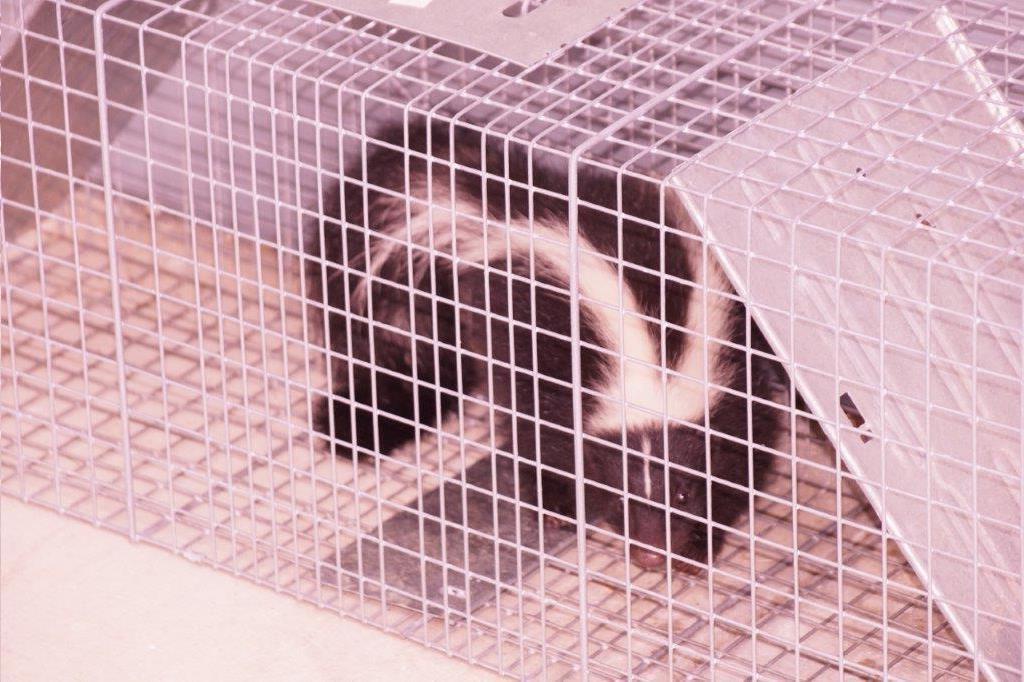
A skunk isn't exactly a beloved animal; the mass media has ensured that by wildly exaggerating the skunk's identity as a stinky animal to get a few laughs. In reality, though, they are fascinating creatures.
However cool they may be, the grand question looms: do skunks make good pets? That depends on what kind of skunk you're considering, of course.
Wild vs. Domesticated
If you're considering having a wild skunk as a pet, you're better off changing your mind, since they can't be tamed and will resist your actions, regardless of your intentions. On the other hand, domesticated skunks, i.e., skunks that have been bred in captivity for a considerable length of time, make excellent pets since they are playful and submissive.
Differentiating between the two
What's the main difference between a wild and domesticated skunk? The latter has been "descended," i.e., its scent glands – the ones who spray the foul liquid – have been removed. This removal is done when a skunk is between two and five weeks old. It is a pretty simple procedure albeit a controversial one. Most people consider it inhumane to remove a skunk's primary defense mechanism.
Is it even legal?
You might be excited about owning a domesticated skunk, but its best to hold your horses and think about where you live first. It is currently legal to own domesticated skunks in only 17 American states, which include Alabama, Florida, Indiana, Iowa, Massachusetts, Michigan, New Hampshire, New Jersey, New Mexico, Ohio, Oklahoma, Oregon, Pennsylvania, South Dakota, West Virginia, Wisconsin, and Wyoming.
If your state didn't come up, it's time to bid farewell to your aspirations or pack your bags. Most states which have legalized this act tend to impose additional rules and restrictions, while some also require you to have a special permit.
Which way is home?
You might have heard interesting tales of how pet cats and dogs get lost and separated from their owners, but ultimately find their way home. However, it would be a huge mistake on your part to expect the same from your pet skunk.
A lost domesticated skunk is in a boatload of trouble because unlike their brethren in the wild; they lack hunting and survival instincts. They even lack the scent glands. Therefore, they have no way of protecting themselves against predators or other humans. Finally, they don't have the homing instincts that enable pet animals to find their way back.
Picky Eaters
Wild skunks are omnivorous to the core and will eat anything that comes their way. However, domesticated skunks are notorious for being selective about what they eat. They will prefer fresh fish or chicken, vegetables, and fruits. It is advisable not to feed them processed foods since they have trouble digesting that stuff.
Conclusion
Having a skunk as a pet is no simple task, and will require immense responsibility and care on your part. By considering the aforementioned points, you must decide if you are fully capable of owning this intriguing creature.
Go back to the Windham County wildlife removal home page.